
Optimistic Activism
Exhibition Optimistic Activism
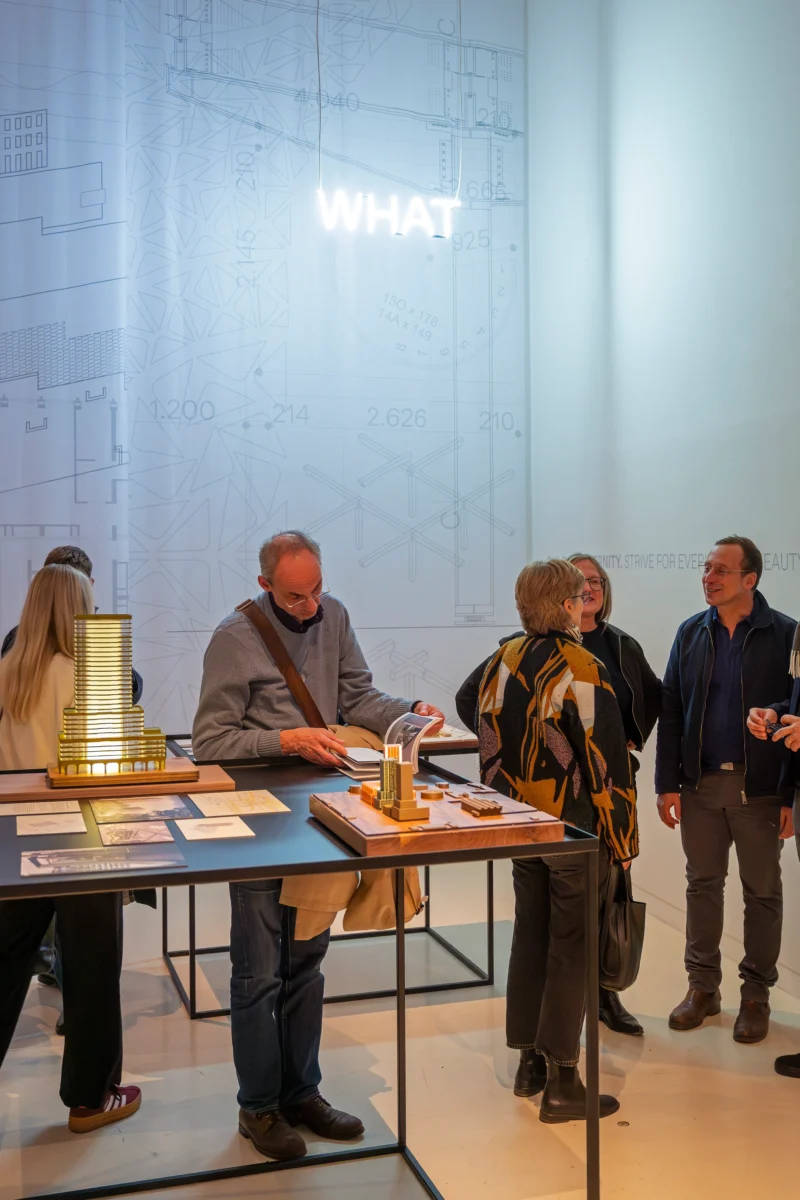
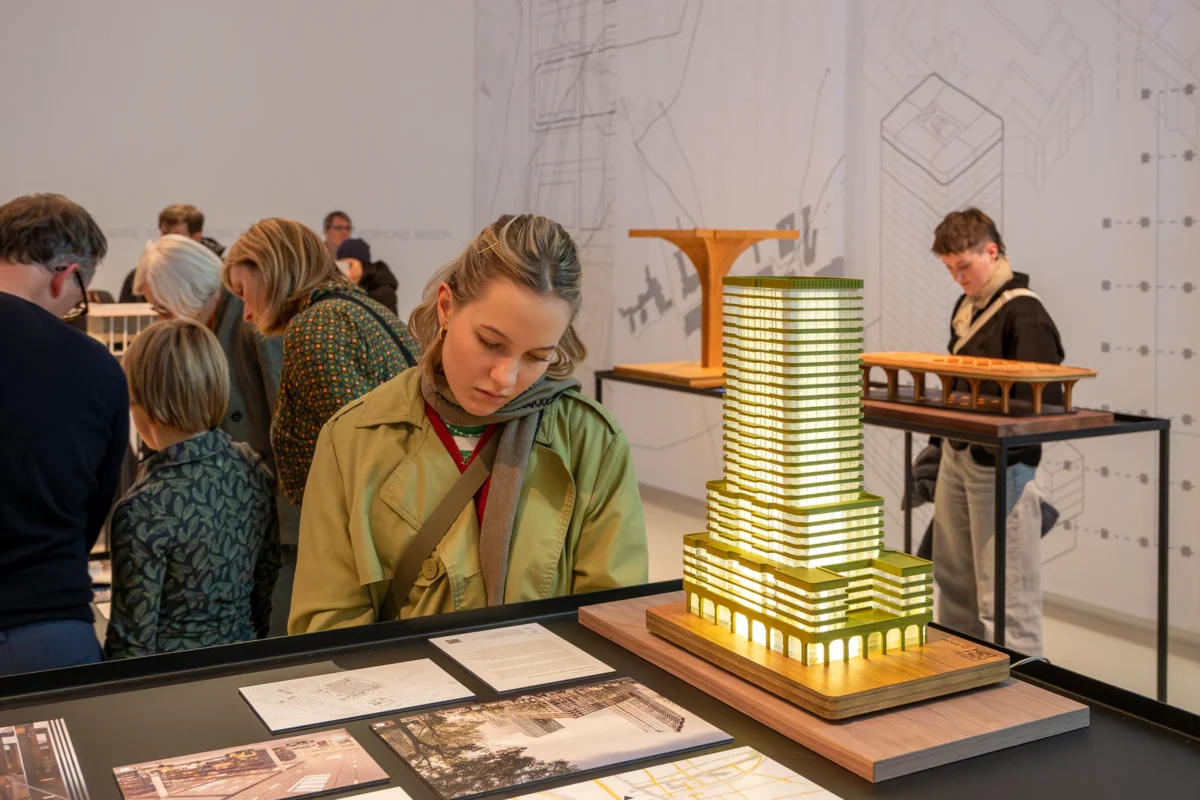
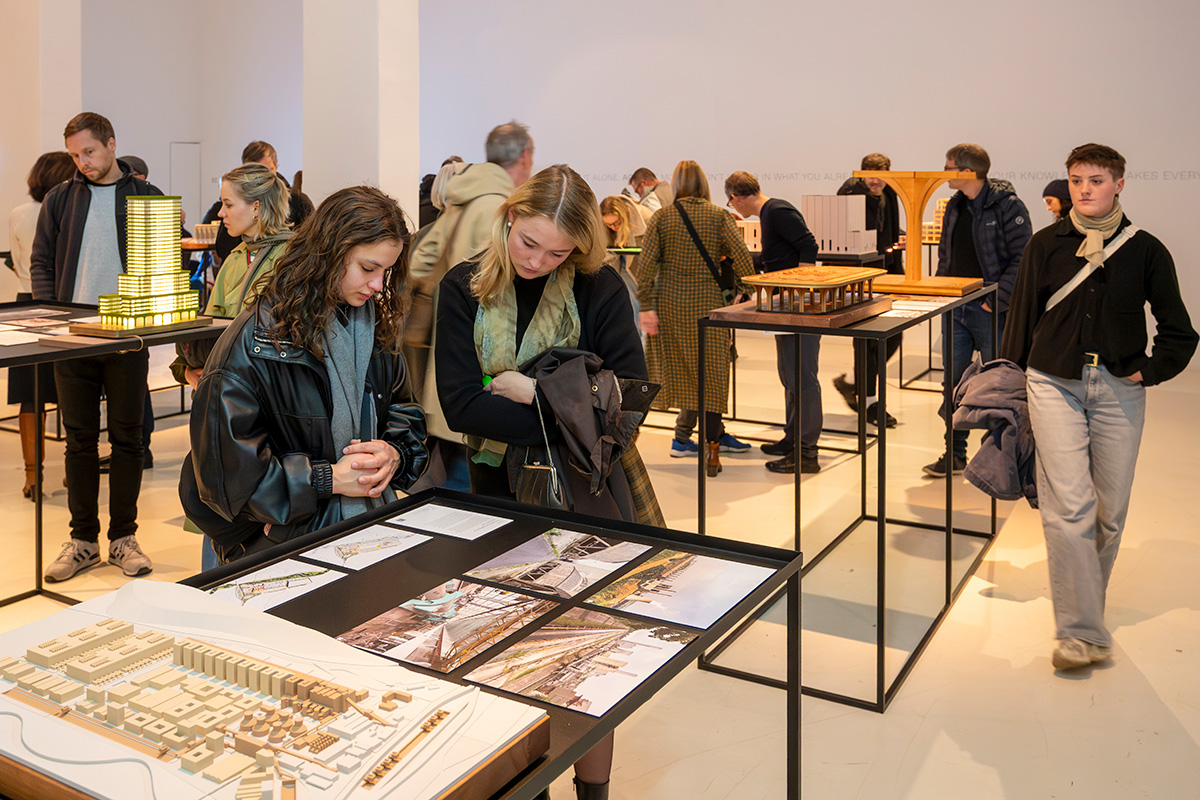
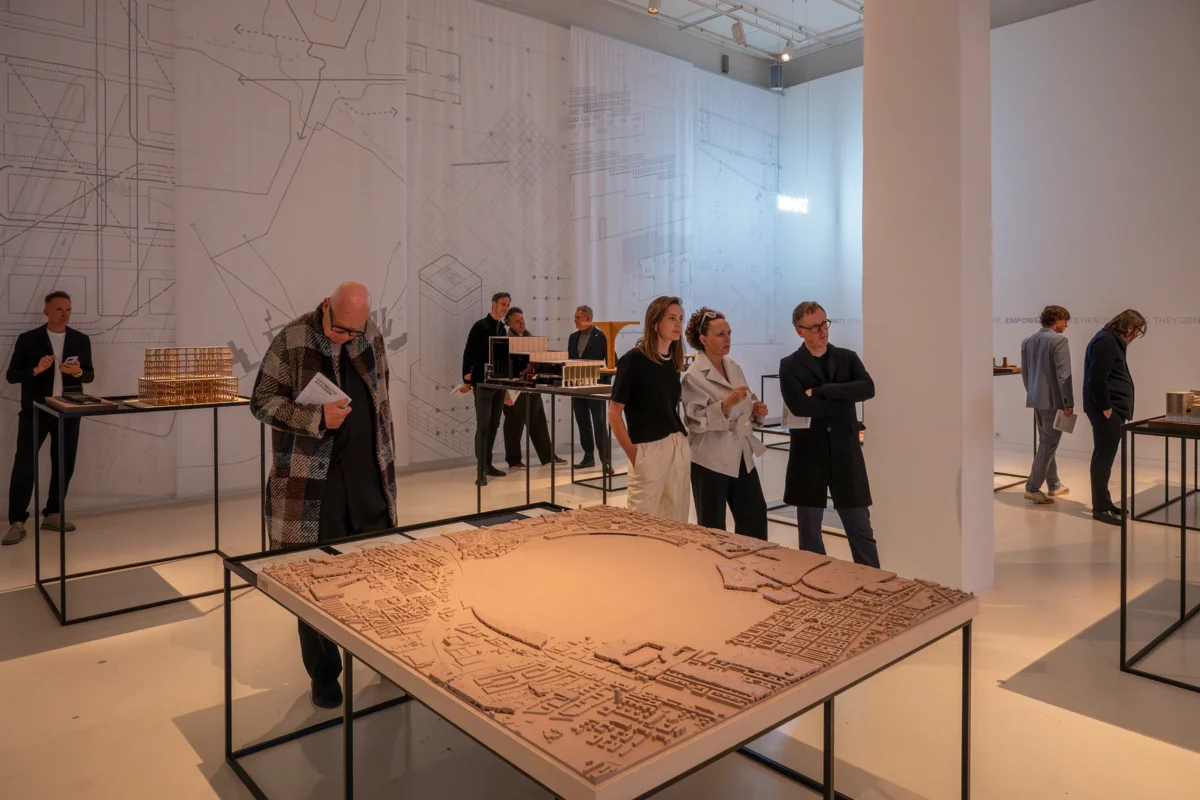
In the Optimistic Activism – Architecture, Urbanism and the Power of Generosity exhibition, organized by the Aedes Architecture Platform in Berlin, De Zwarte Hond demonstrates how positive change can be strategically shaped, with generosity as its starting point. The exhibition builds on 40 years of experience, during which De Zwarte Hond has evolved from an established architectural practice into a multidisciplinary design studio. With this shift, the office looks beyond architecture and urban planning, while maintaining a continuous connection with societal issues. The central question is no longer why we must act, but how and with what. De Zwarte Hond approaches this question from the perspective of optimistic activism: optimistic, because change is possible, and activist because that change is necessary. Generosity lies at the heart of this method, both spatially and a socially. The exhibition is spread across two spaces at Aedes. HOW showcases De Zwarte Hond’s collaborative approach, with a focus on inspiration and references, visualized in a spatial installation featuring films and a timeline. WHAT presents 12 projects using scale models, drawings, and photographs to demonstrate how social engagement, design skills and craftmanship come together in realized buildings. Together, they show how De Zwarte Hond’s working methods and projects generate optimistic energy – energy that creates places which bring people together and enrich community life.
data
- Location
- Berlin, DE
- Size
- 260 m²
- Client
- De Zwarte Hond
- Discipline
- Architecture, Research, Urban Design
- Program
- Publications & Exhibitions
- Period
- 2025
- Status
- Completed
- Partners
- Architekturforum Aedes

Why not the WHY?
During COP26 in 2021, Greta Thunberg delivered the famous statement: “No more blah blah blah,” sharply criticizing empty promises and administrative inertia in tackling the climate crisis. Her message was clear: fewer words, more action. The time for procrastination is over.
Therefore, the question is no longer why we must act, but how and with what means. The challenges are well known: narrowing the gap between rich and poor, and tackling climate change so that we can enter the 22nd century in good health.
De Zwarte Hond approaches these tasks from the perspective of optimistic activism: optimistic because change is possible, and activist because that change must be realized.

HOW
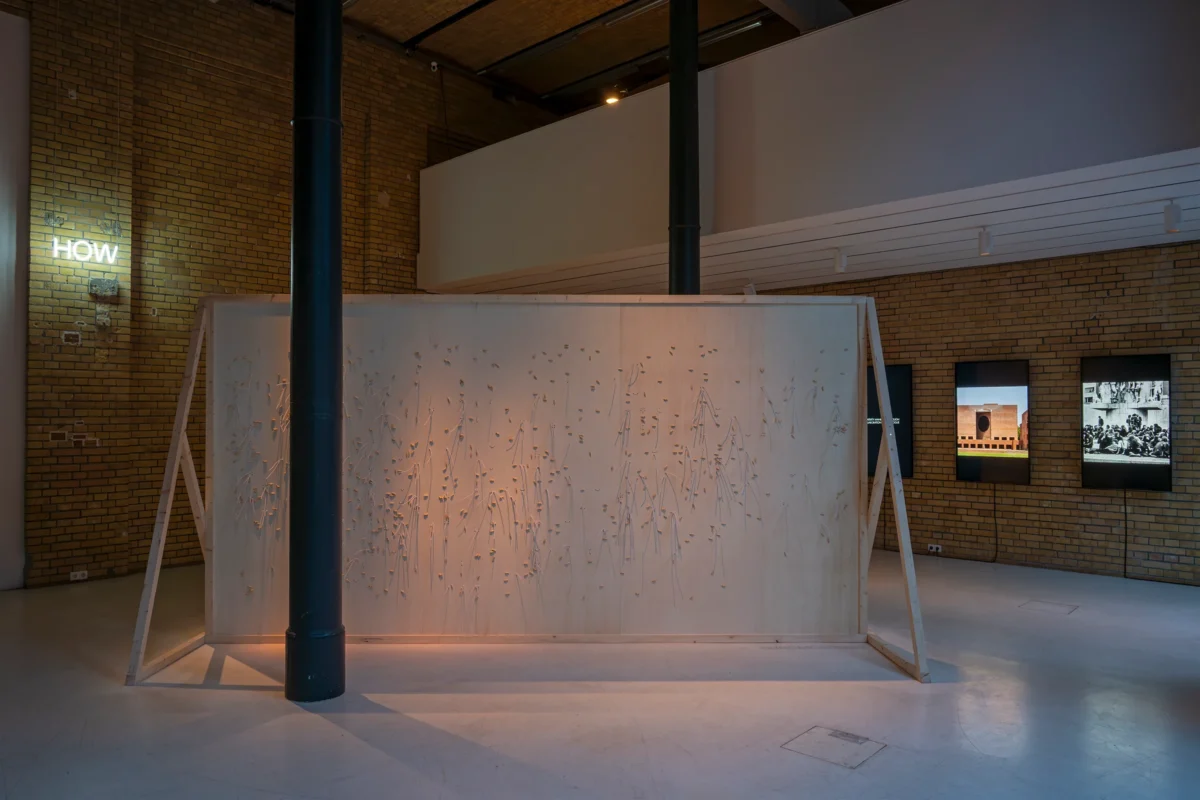
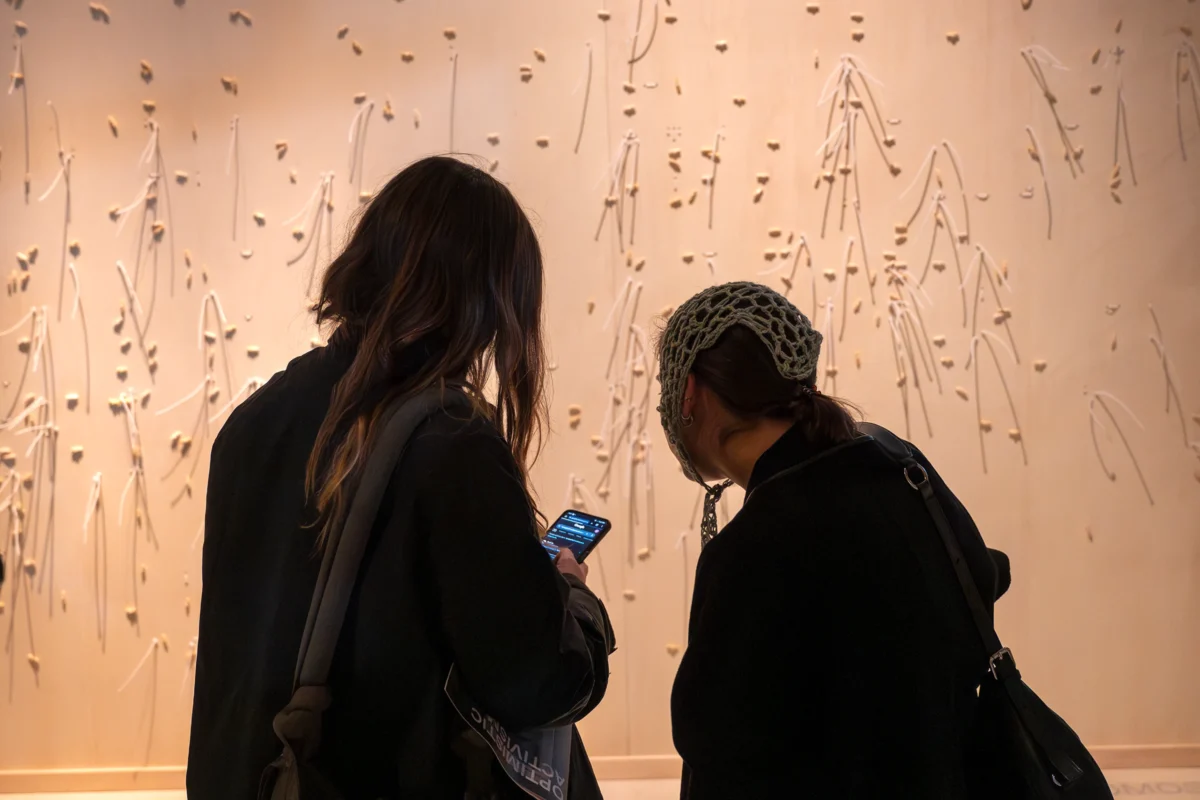
HOW showcases De Zwarte Hond’s collaborative working method, as well as a ‘cloud’ of references, events, and sources of inspiration that underpin the firm’s work. At the same time, HOW stands for the generous sharing of knowledge and expertise within the firm and with external parties, employees, consultants and clients.
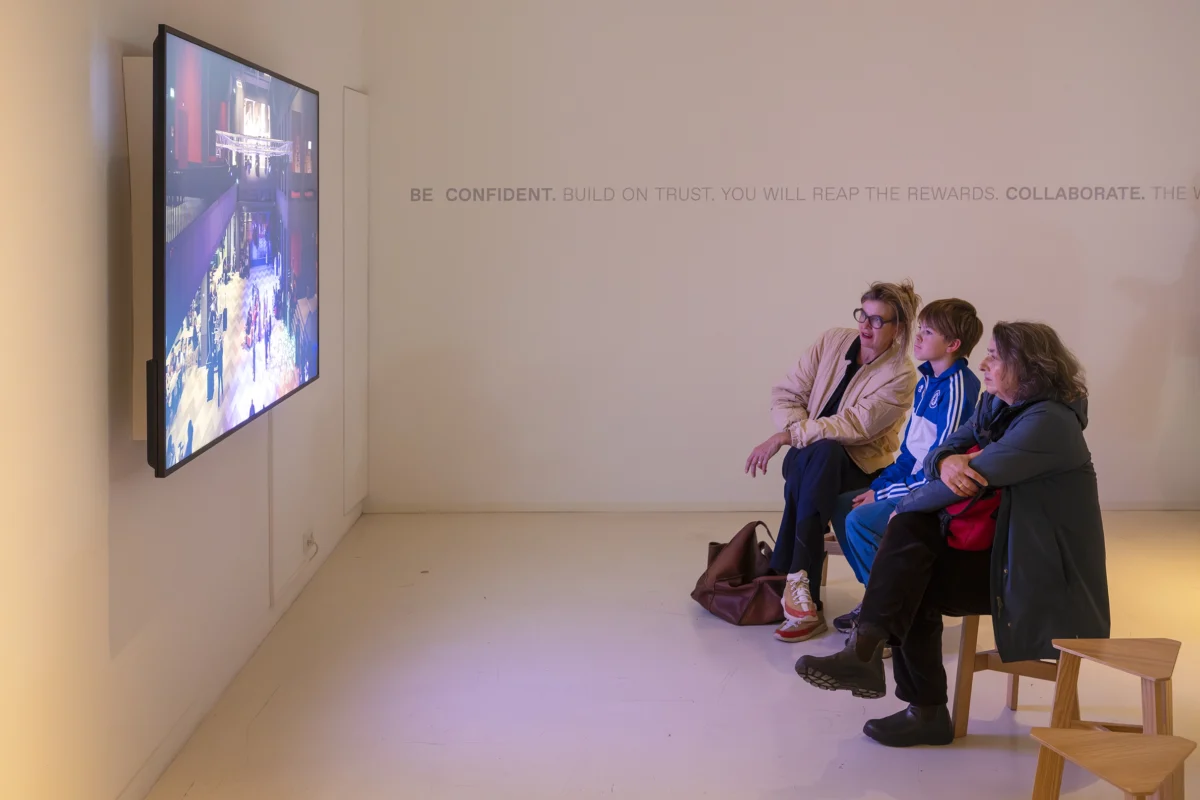
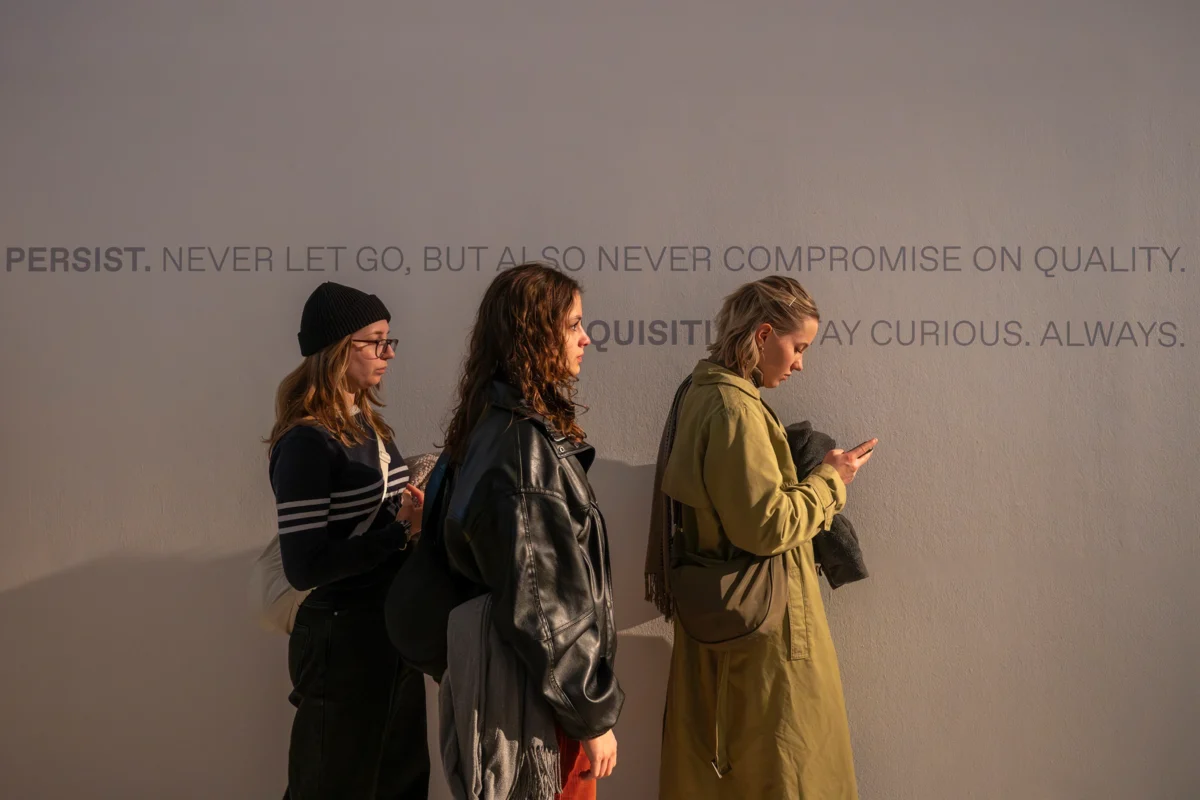
Three films take visitors on a journey through the firm’s key sources of inspiration, visualized in three short storylines: Craftsmanship, Togetherness, and Open City.

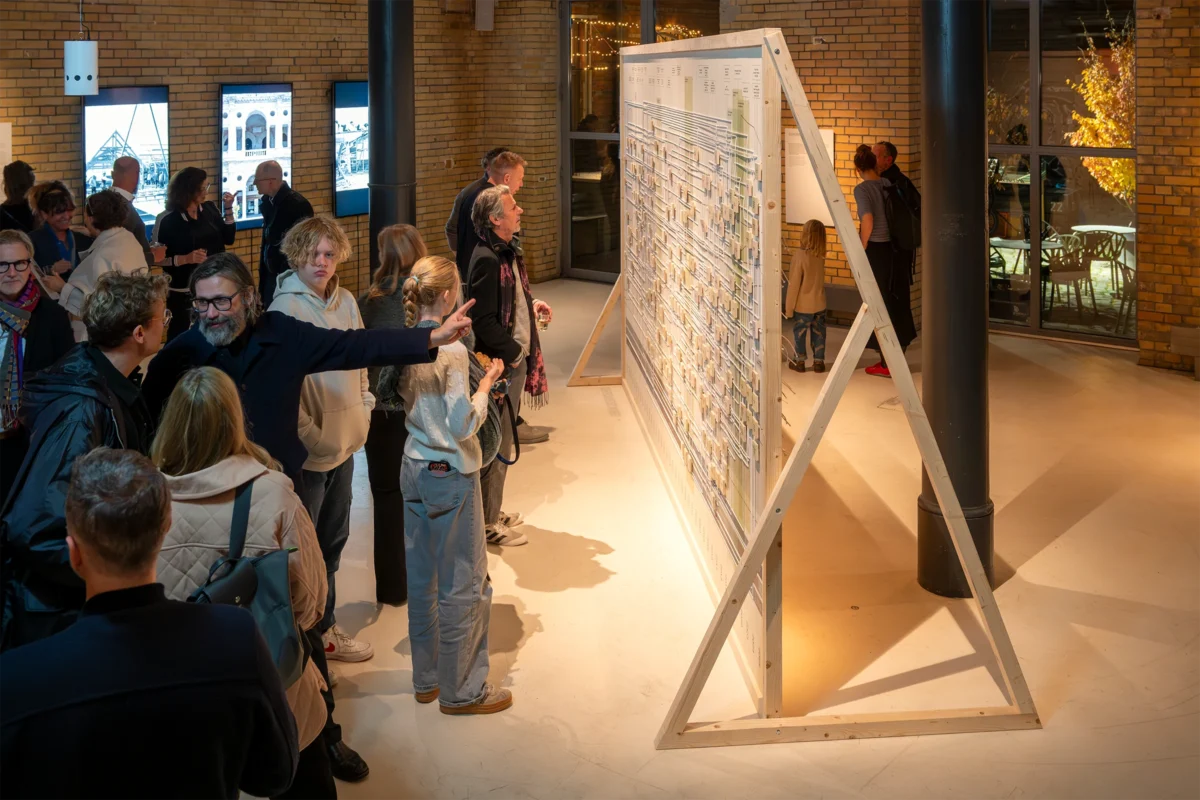
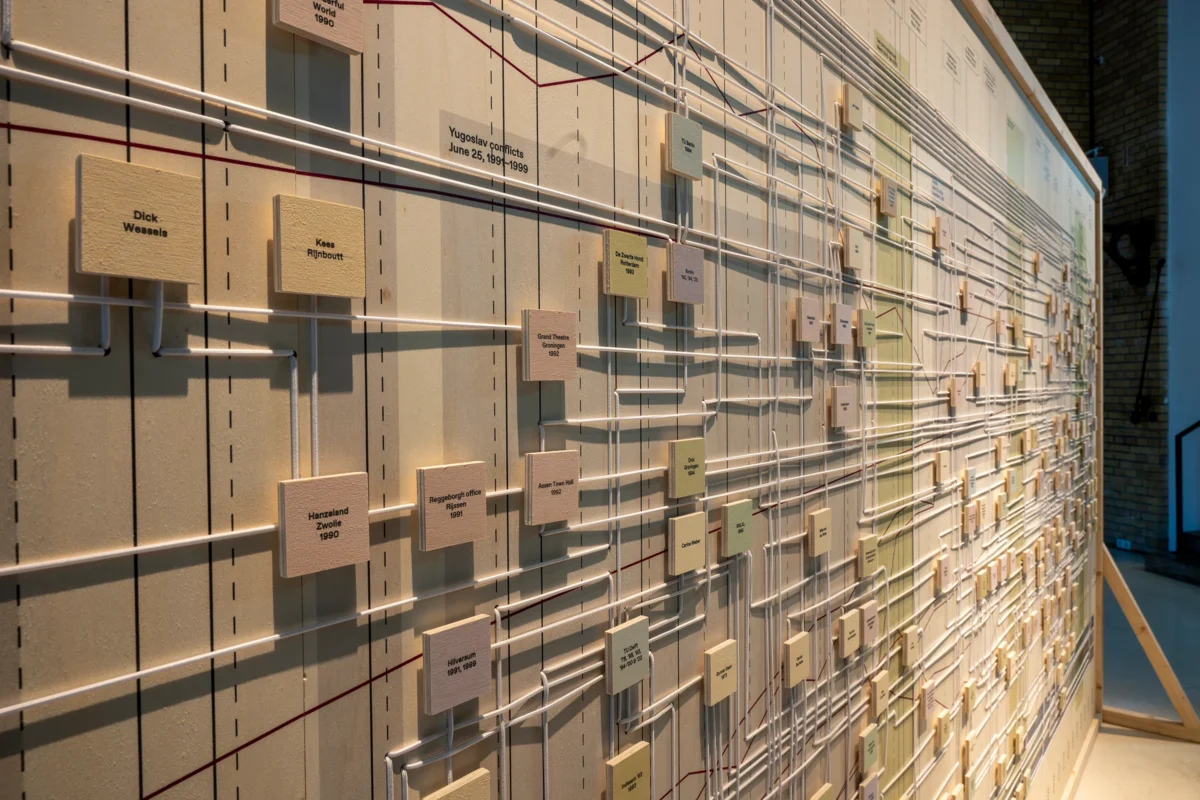
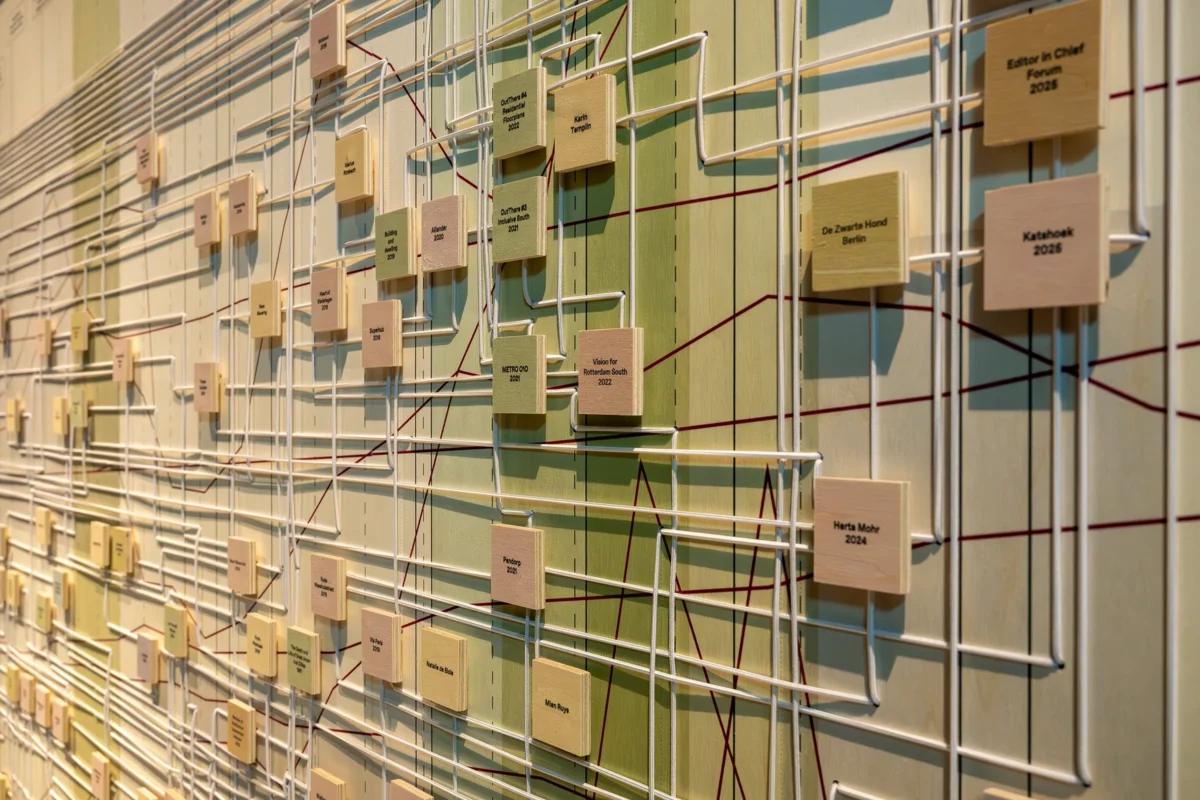


Powers of Ten by Charles and Ray Eames

The impact of the 1977 traffic circulation plan on Groningen. This film was made for the exhibition Bold Cities Brave Decisions
DNA
De Zwarte Hond’s approach to thinking and working stems from a continuous curiosity about how others think and work. De Zwarte Hond has countless mentors who have contributed, often unconsciously, to who we are today. We highlight three influences here:
Powers of Ten
The film Powers of Ten by Charles and Ray Eames, based on the book Cosmic View by Kees Boeke, shows that every shell has its own structure and beauty, yet they are all interconnected. Working consciously at all these levels requires knowledge and craftsmanship: an intervention at one scale always influences the others. For instance, the size and shape of a public space can be decisive for the experience of a building, while at the other end of the scale a single window can change the experience of an interior.
De Zwarte Hond understands that designing these relationships requires continuous practice, reflection and dialogue. Every design is therefore carefully examined, tested, and developed from multiple perspectives, with team members applying their own craftsmanship and expertise at every scale.
The Arendtian public space of Groningen
Hannah Arendt defined public space as the arena in which people meet as equals, making plurality visible. For her, public space was not only physical, but also symbolic: it was the place where communal life took shape. Groningen’s 1977 traffic circulation plan, which made the city centre car-free, can be seen as a redesign of public space in the Arendtian sense. Cars were banned, enabling the city to serve the collective experience once again. Like Hannah Arendt, De Zwarte Hond views the city as a stage for human diversity, where coexistence is made visible through physical structures.
This film was made for the Bold Cities, Brave Decisions exhibition, and shows the impact of the 1977 traffic circulation plan on the urban quality of Groningen.
Herbie Hancock on Miles Davis’s generosity
A film clip demonstrates the power of generosity, as illustrated by a story from Herbie Hancock about Miles Davis. During a performance, Hancock played a wrong chord in a solo. Instead of correcting him, Miles Davis played a phrase that gave meaning to the chord. There was no rejection or correction, just an answer that offered space for the unexpected and helped it move forward. “I don’t know how he did it, but he turned my poison into medicine,” says Hancock.
In the spatial domain, inertia often arises because errors or imperfections are either magnified or avoided. Attention then shifts from what is possible to what is wrong. De Zwarte Hond chooses to look at things differently, as in Hancock’s story about Davis: not dwelling on what goes wrong, but approaching a mistake as a starting point. Whatever presents itself—whether intentional or unintentional—is taken seriously and utilized as part of the design process. This creates space to think further and to enrich existing situations rather than correct them.
We can all learn from Miles Davis’s musicianship about how to solve each other’s mistakes without explicitly correcting them.

Values
Richard Sennett’s Homo Faber trilogy – The Craftsman, Together, and Building and Dwelling – explores how people give meaning to their lives through work, collaboration and the urban living environment. De Zwarte Hond recognizes its own values in this: principles that guide our way of working and what we want to achieve.
Craftsmanship
Craftsmanship is the human drive to do something well for the sake of the work itself. Thinking and doing are closely connected, and skill, dedication and creativity are all essential for meaningful work. Doing good work with attention and care strengthens our responsibility towards others and society. At De Zwarte Hond, we primarily learn by doing, we remain curious and we constantly evaluate our work. This allows us to continue developing and avoid stagnation.
Collaboration
Projects are becoming increasingly complex. Scarcity of materials and personnel, integration into urban or landscape contexts, sustainability, societal challenges and the need for broad support all call for collaboration. Sennett demonstrates that collaboration is a craft that requires practice and experience to perfect the skills of listening, showing empathy and giving others space. At De Zwarte Hond, we embrace this process, gaining new insights, solutions – and sometimes even new friendships – along the way.
The Open City
Sennett advocates for an ‘open city,’ where the complexity of daily life is embraced and where meeting places emerge that foster collaboration and understanding, rather than segregation. De Zwarte Hond translates this into architecture and urban planning by designing spaces that stimulate shared experiences, knowledge sharing, and community, with the aim of creating inclusive cities and democratic engagement.
Catalogue
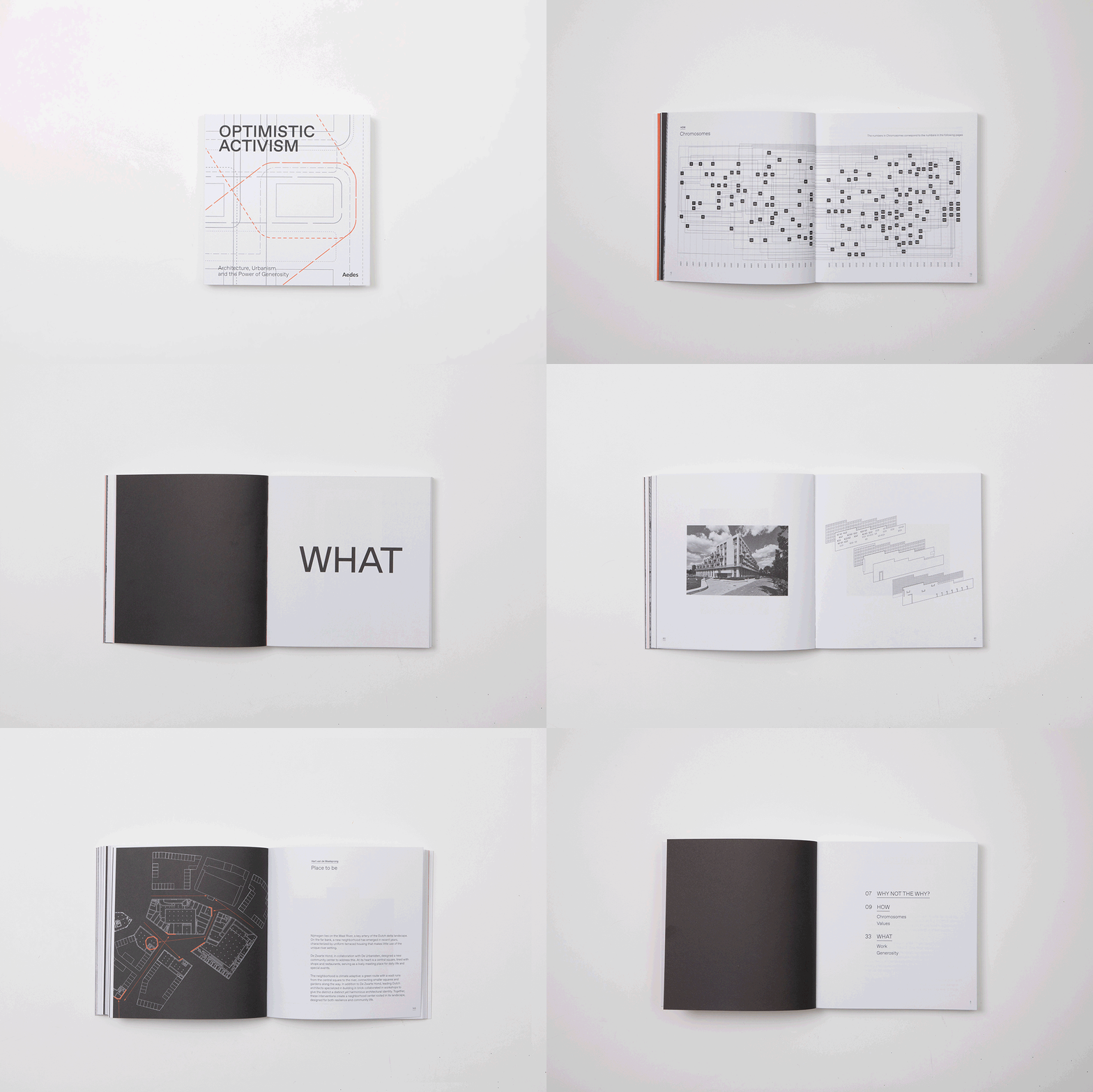
In collaboration with Aedes, an extensive publication has also been released: Optimistic Activism – Architecture, Urbanism and the Power of Generosity. With this publication, we have become part of the internationally renowned Aedes series of exhibition catalogues, which now comprises more than 400 titles. Order the book from the webshop.


Soup and Bread
With the concept of Suppe & Brot (Soup & Bread), De Zwarte Hond takes Hannah Arendt’s metaphor literally: people come together around a table to share ideas, experiences and beliefs, creating a space that connects and distinguishes. The focus is not on reaching consensus, but on jointly shaping a shared world of meaning. To this end, De Zwarte Hond designed the Ensemble tableware line in collaboration with Cor Unum, a ceramics studio in ’s-Hertogenbosch where designers, volunteers, professionals and people on the margins of the labour market create meaningful objects together.


