What can the classic garden city mean for us today?
Gartenstadt Werdersee
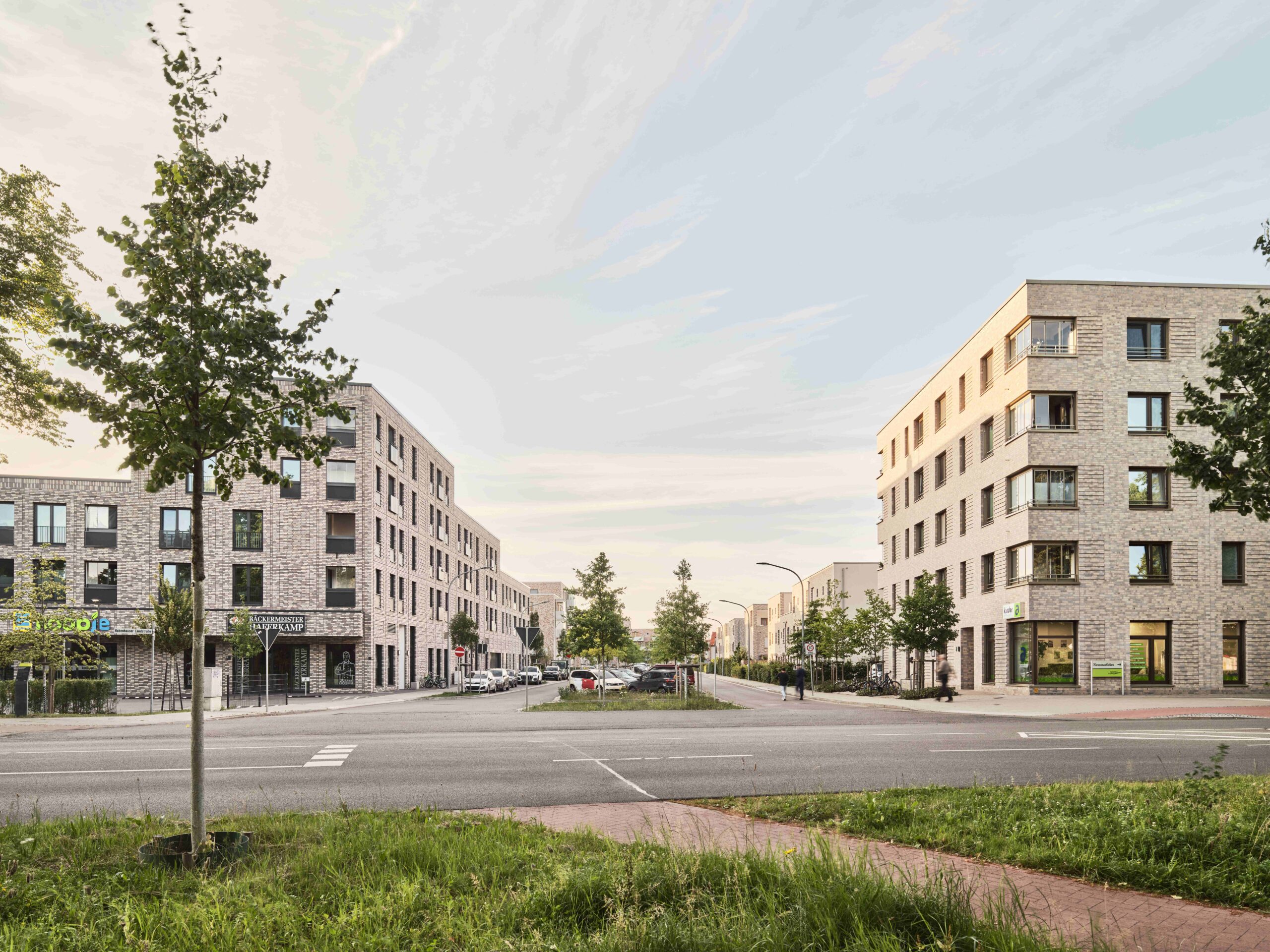
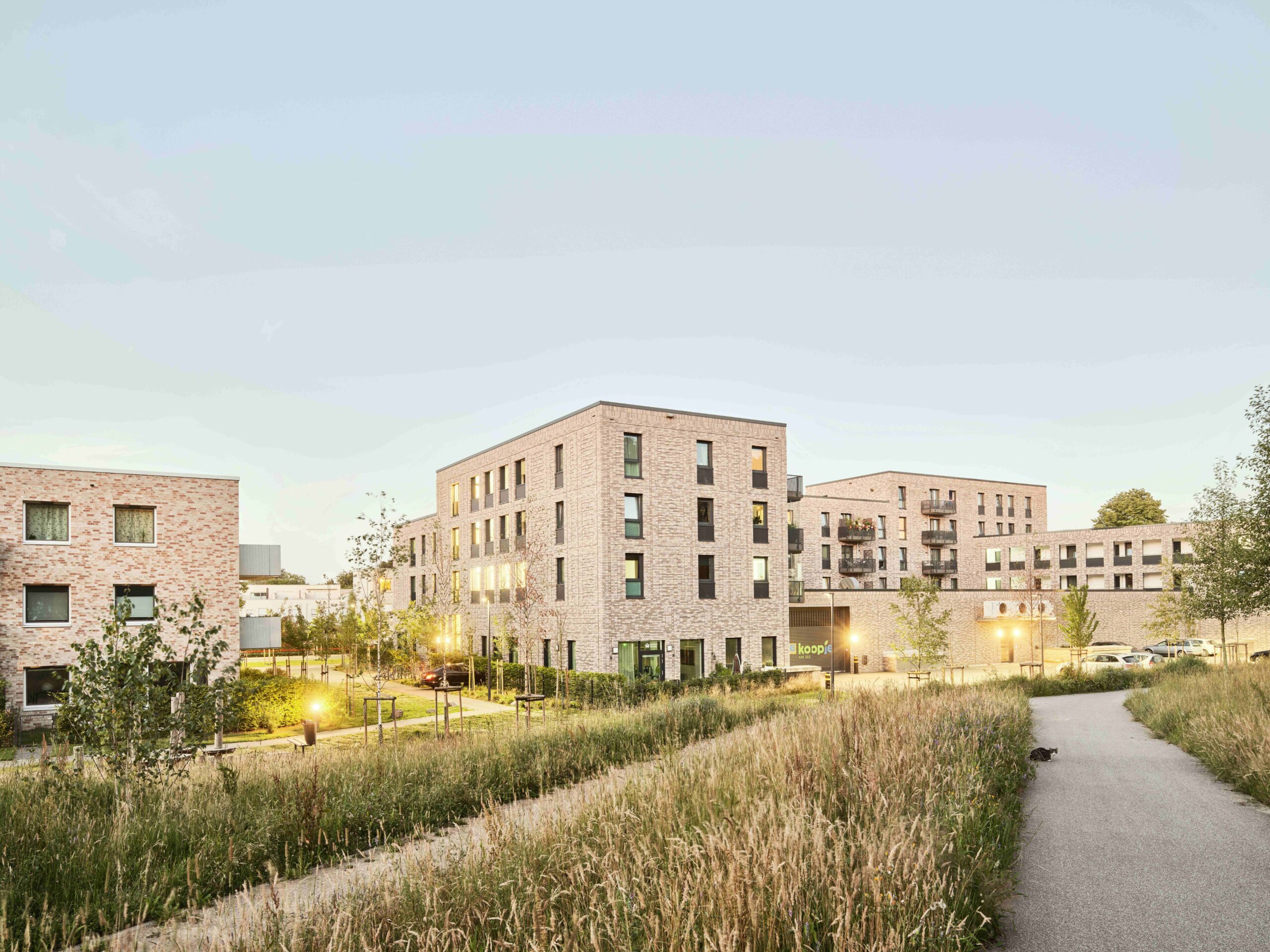
Along the Werdersee in northern Germany’s Bremen, De Zwarte Hond, together with Urbanegestalt, designs a new urban district of 17 hectares with 550 homes, a daycare center, a school, and various amenities. In 2014 De Zwarte Hond in collaboration with the Cologne-based firm Urbanegestalt, won the design competition for the urban plan of Gartenstadt Werdersee and designed two multifunctional buildings at the western entrance to the district. These buildings accommodate neighborhood shops, nursing and care facilities, and social housing.
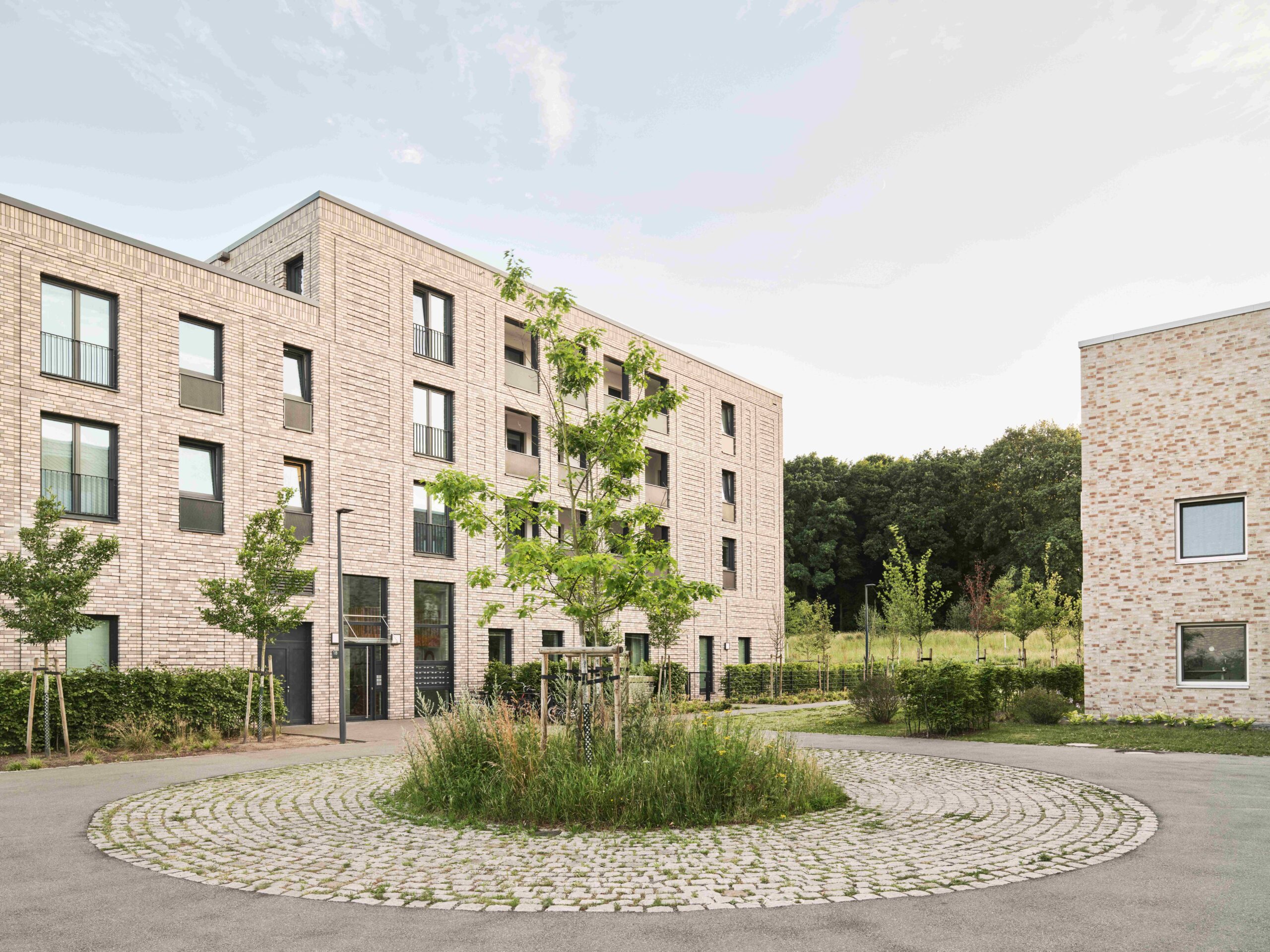
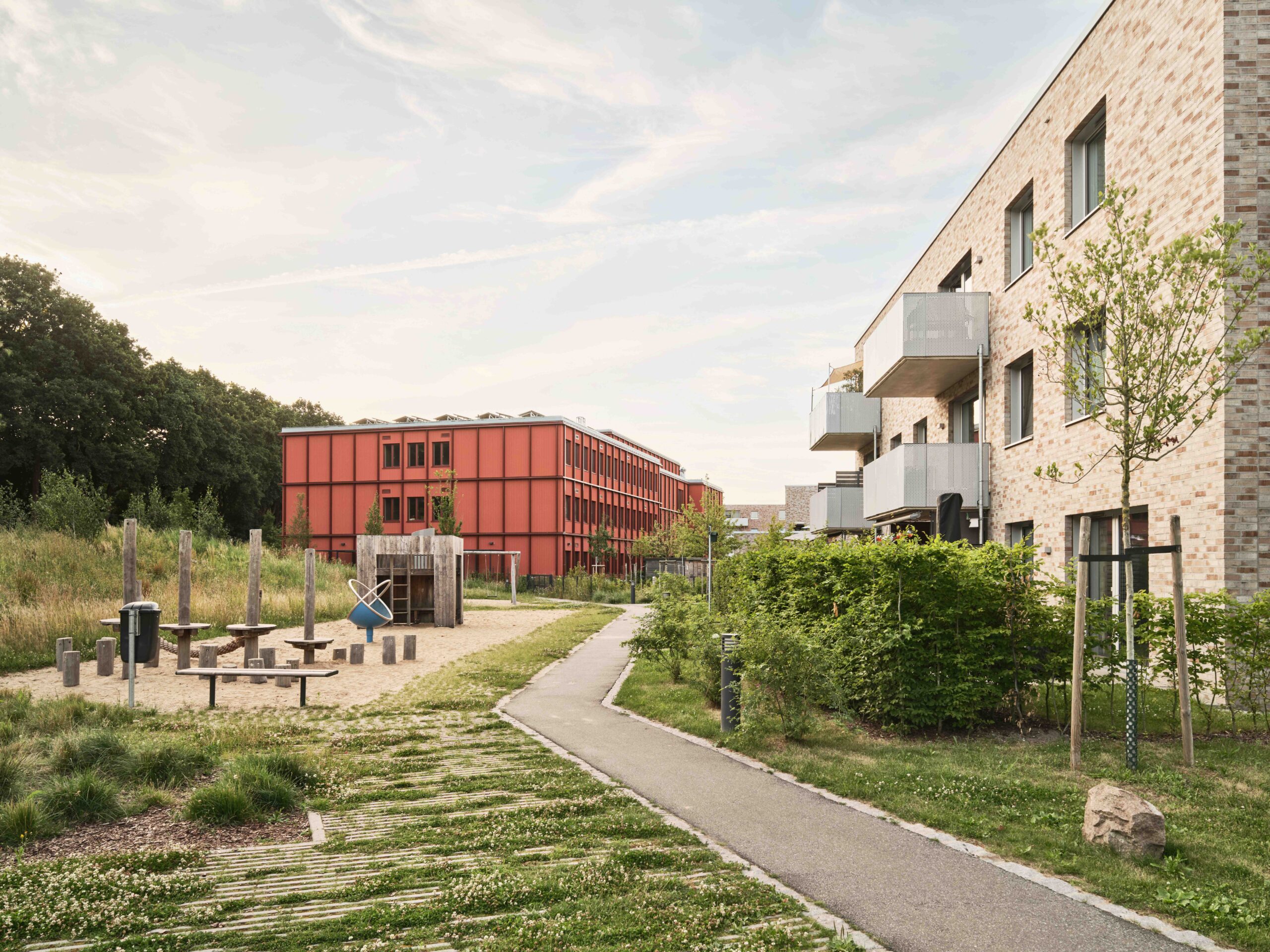
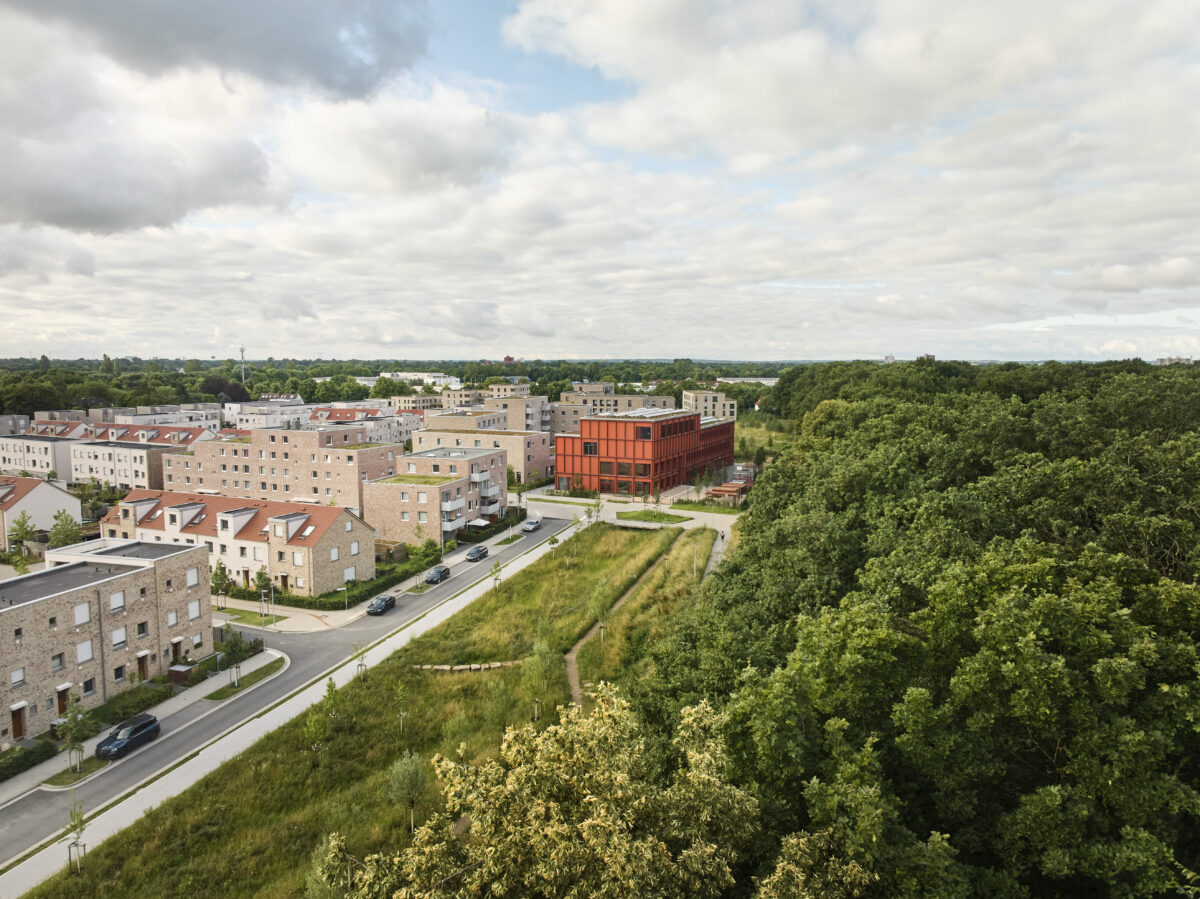
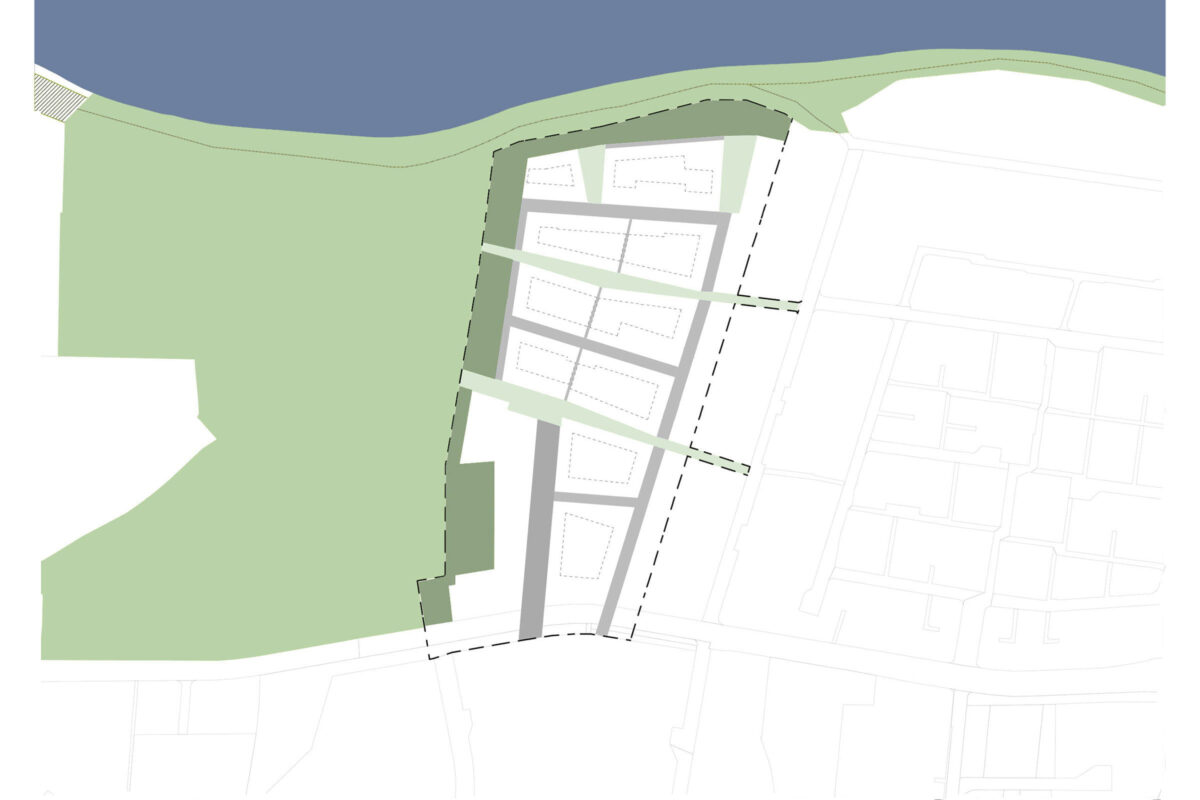
The garden city design addresses two fundamental human needs: green living in the heart of the city and social cohesion, with public space playing a pivotal role.These principles were central to the original garden city vision at the beginning of the 20th century. The Bremen design offers a contemporary reinterpretation tailored to the local context. A key innovation lies in the treatment of public green spaces at the district’s edges, creating an ‘inverted centrality.’ Unlike traditional garden cities, the peripheral zones now take center stage, serving as green communal spaces for shared activities.
data
- Location
- Bremen, DE
- Size
- 16 ha
- Client
- Projektgesellschaft Werdersee GmbH & Co KG Freie Hansestadt Bremen
- Discipline
- Urban Design
- Program
- Housing, Offices, Retail, Master Planning
- Period
- 2014-2025
- Status
- Completed
- Photography
- Caspar Sessler
- Partners
- Urbanegestalt

Bremen

Gartenstadt Werdersee


A new urban district
Gartenstadt Werdersee is one of the key projects through which the Hanseatic city of Bremen and the developer aim to ease pressure on the strained housing market.
In 2014, a design competition was held for a new urban district on a 17-hectare site, next to an elongated lake. Together with Urbanegestalt from Cologne, De Zwarte Hond won this commission for the urban design of Gartenstadt Werdersee and designed two multifunctional buildings at the western entrance to the district.
The peripheral areas play a leading role, in contrast to classic garden cities
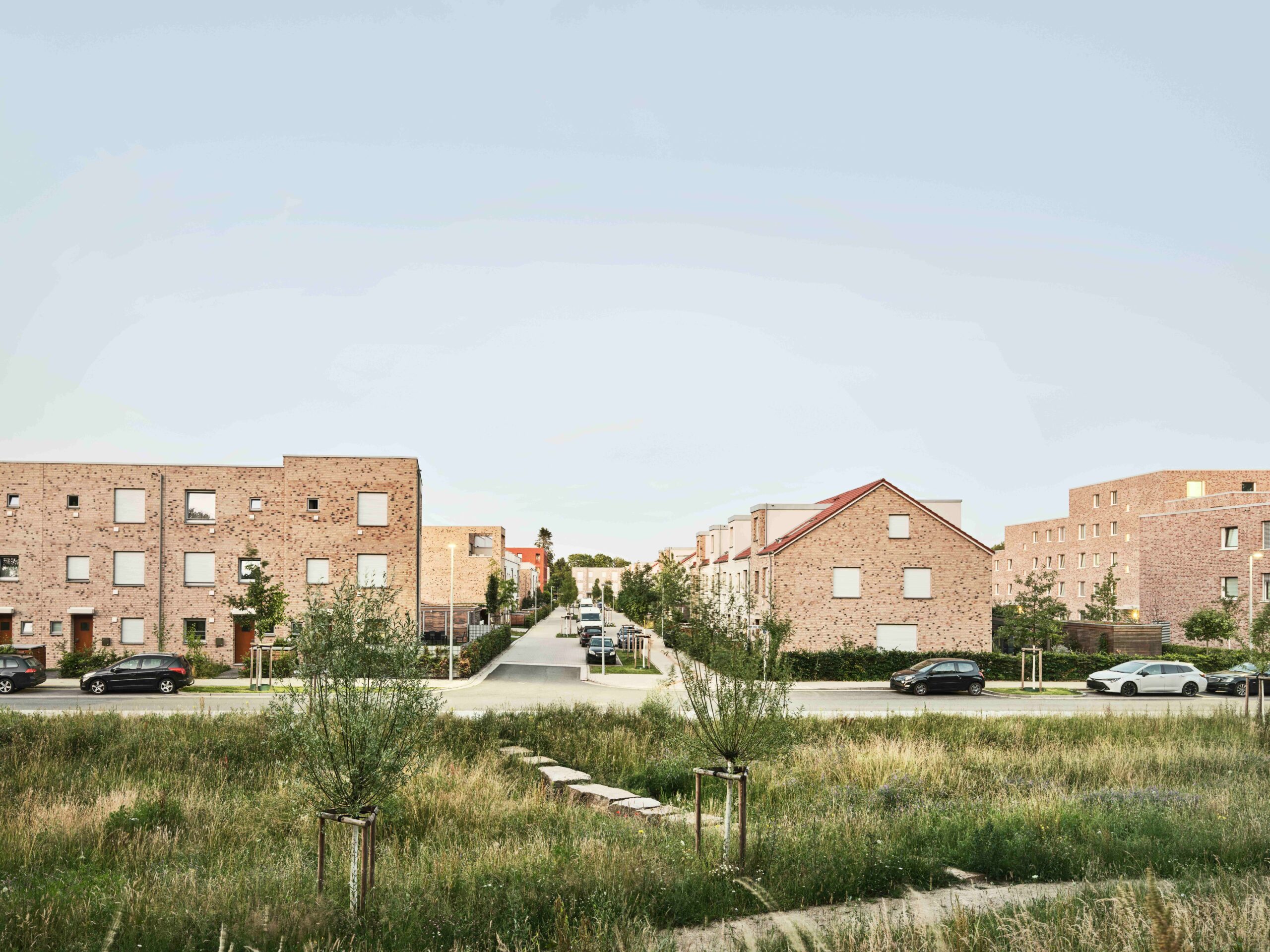

Green connections
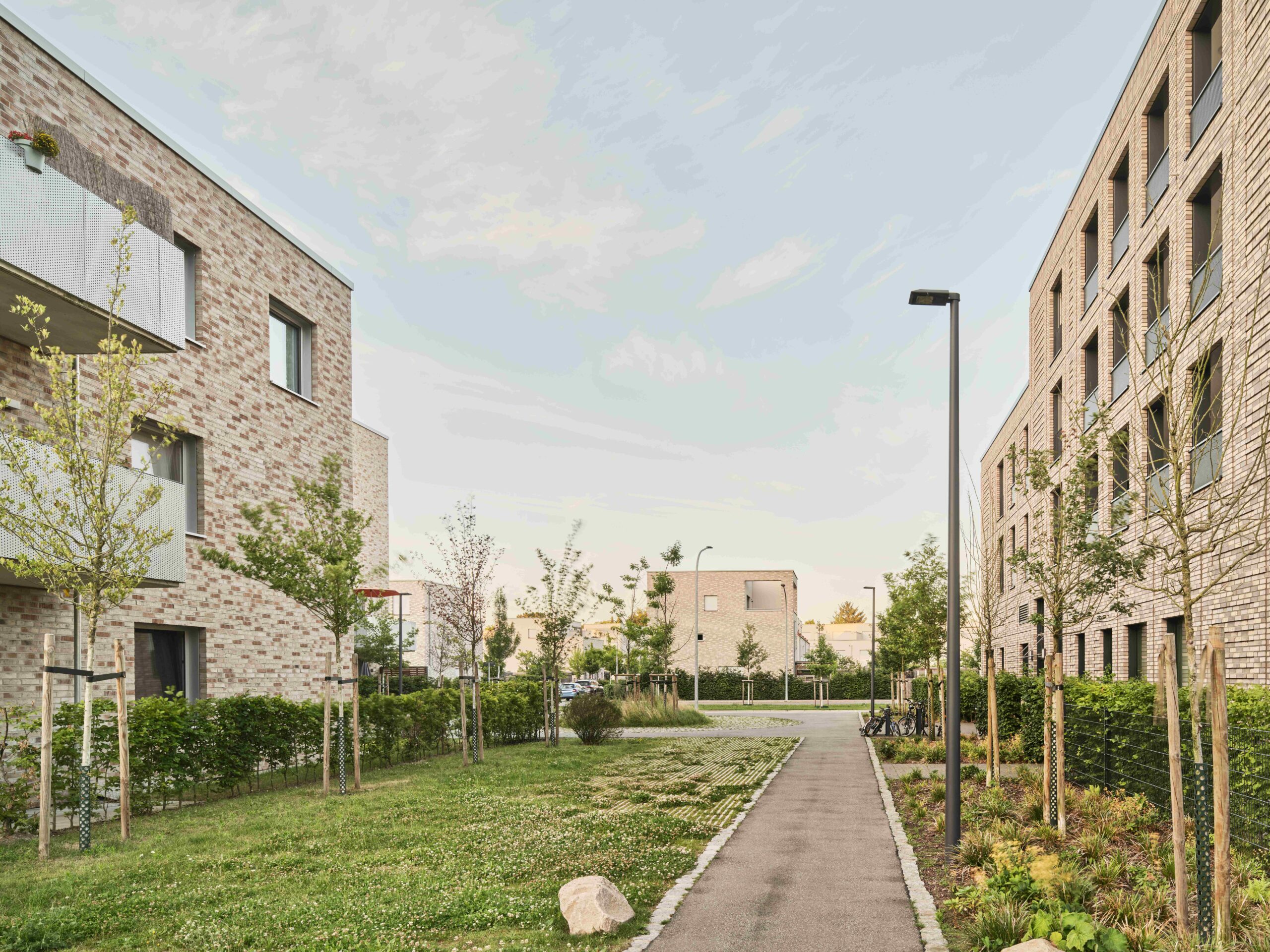
In our reinterpretation of the traditional garden city concept, we combine the desire for green living with the need for social cohesion in the urban environment. The public spaces in the peripheral zones are fully utilized, offering areas to play sports and games, relax, and simply spend time together.
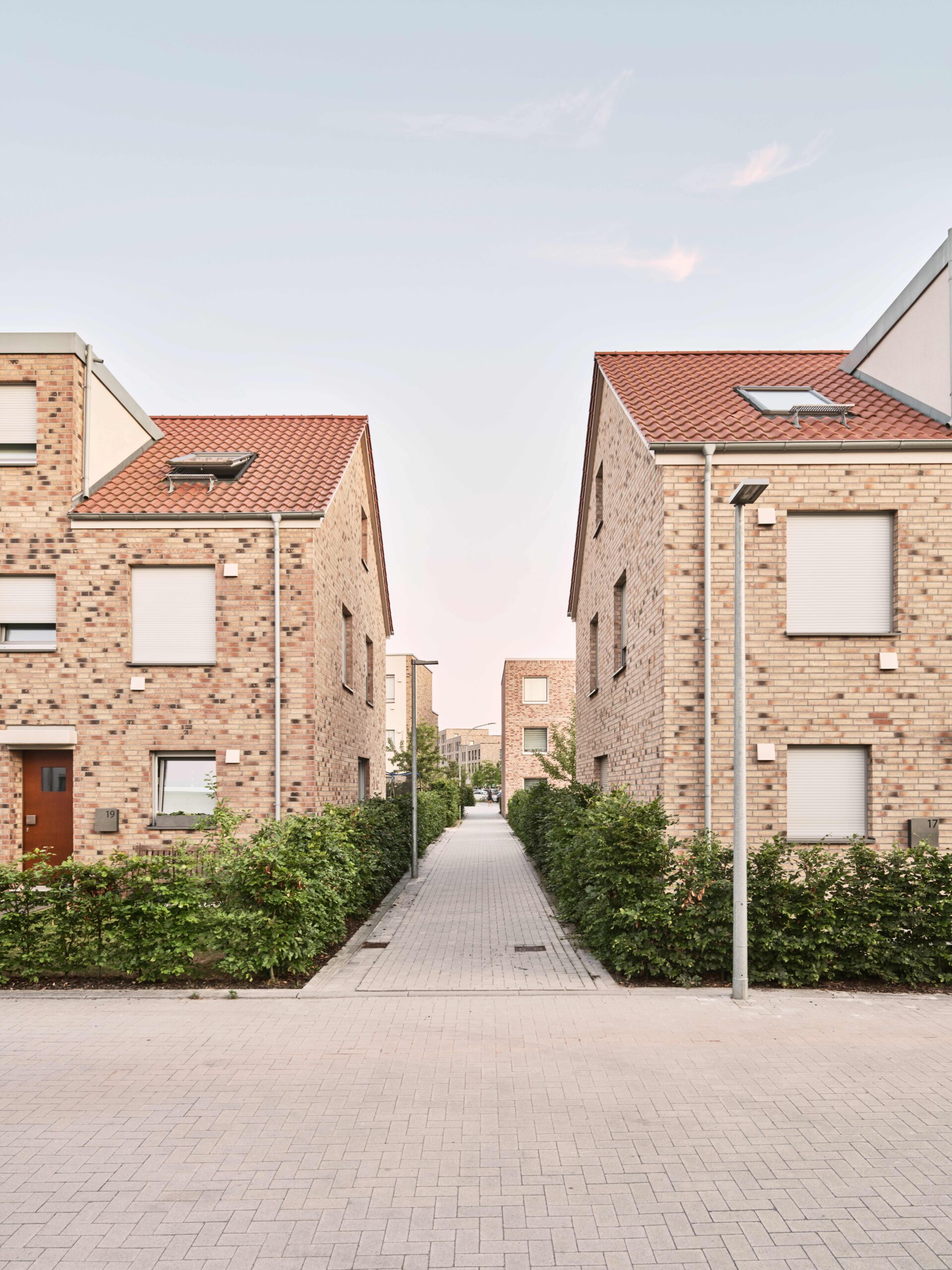
Running east to west, the district connects to the surrounding residential areas through a new type of residential street, while ‘green fingers’ extend between these streets into the peripheral zones.

Location

Functions
Public space

Access