Can monumentality and circularity go together?
De Familistère Utrecht
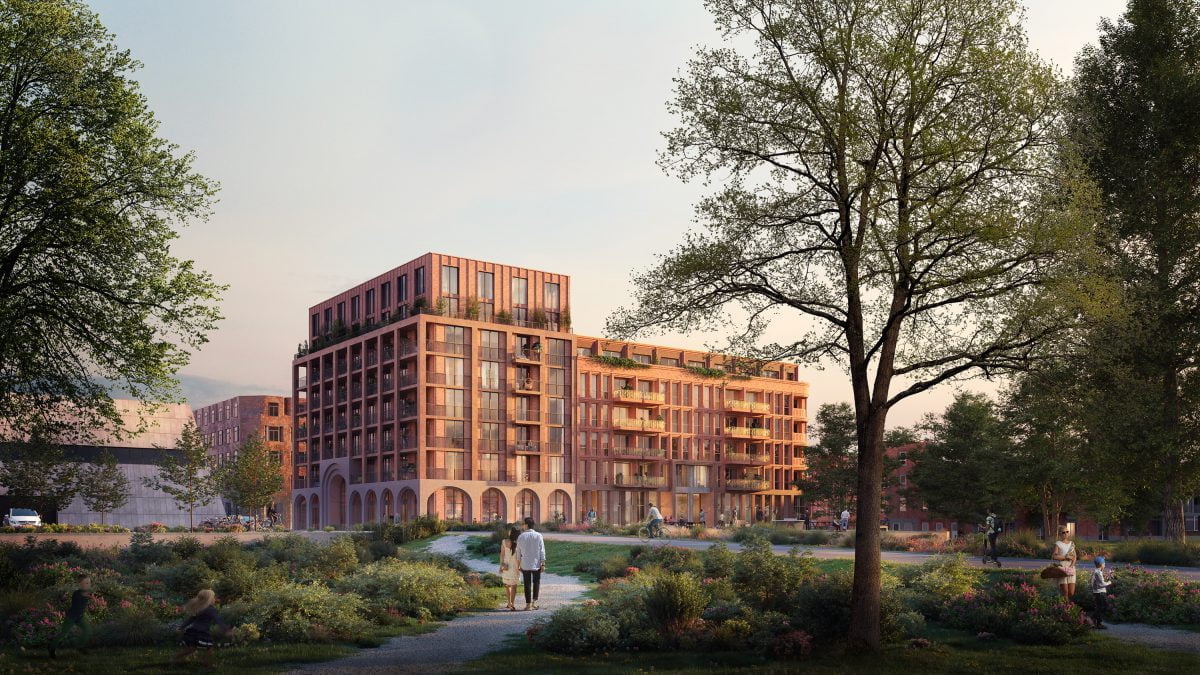
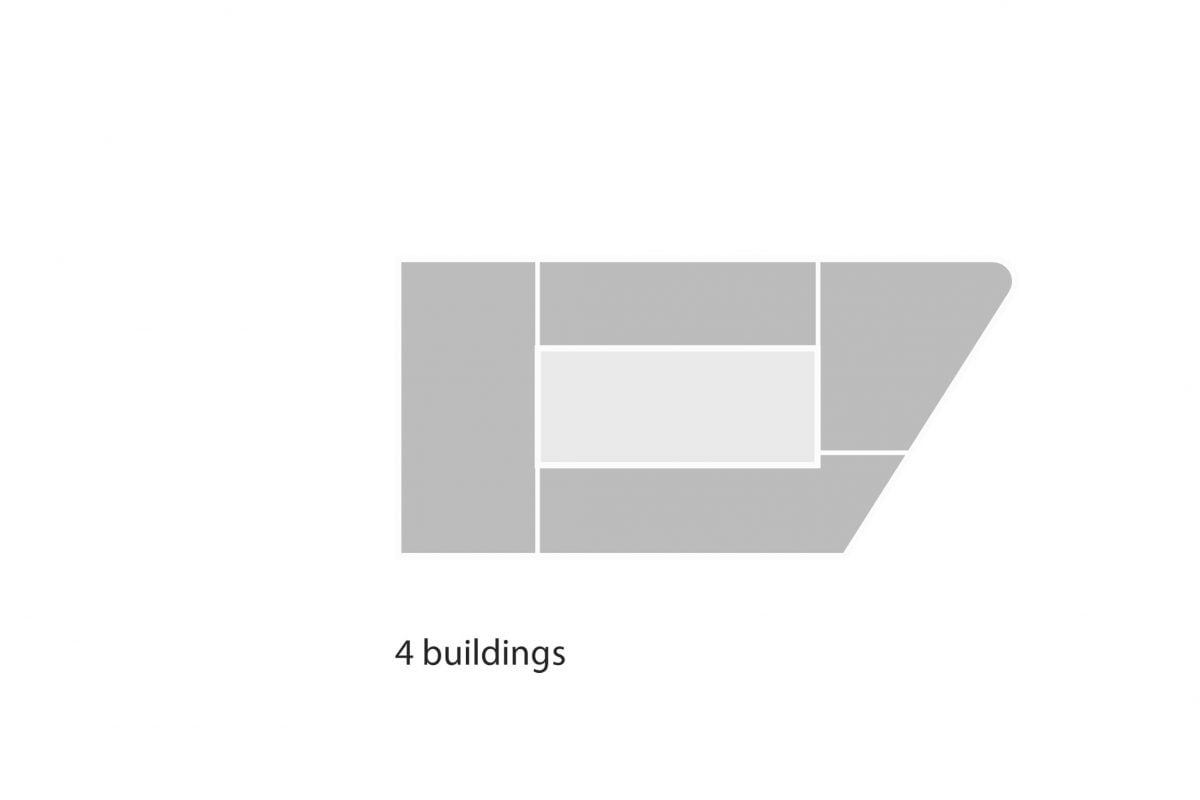
Together with FARO, De Zwarte Hond designed the Familistère in Leidsche Rijn Centrum, the new residential area in Utrecht that is developing into a district with 100,000 inhabitants. The residential block will comprise 122 homes, a café, commercial spaces, a bike bar, and a community room. At the center of the block lies a glass-covered atrium: a vertical inner garden serving as a collective meeting place, inspired by Godin’s 19th-century utopian housing concept. The block consists of four buildings, each distinguished by façade rhythm, plasticity, and materiality. The continuous base ensures cohesion and continuity in the streetscape. All homes are connected to the green atrium and feature generous outdoor spaces and abundant glazing. Thanks to a flexible concrete frame, the apartment sizes are adaptable. Circular materials are used in construction, finishing, and interior façades. The green roof and atrium are climate-adaptive: collected rainwater is used for the inner garden, which also contributes to low energy consumption and comfortable living in every season. Familistère is a place for collective living with attention to sustainability, health, and community.
data
- Location
- Utrecht Leidsche Rijn, NL
- Size
- 8.000 m²
- Client
- SBB Ontwikkelen & Bouwen, Coltavast
- Discipline
- Architecture
- Program
- Housing, Retail
- Period
- 2020
- Status
- In Development
- Partners
- Faro, OKRA, Nibe, Hiensch, Urban Sync, Nieman en Pieters Bouwtechniek, Parallel
- themes

Utrecht

Leidsche Rijn

Familistère in Guise

Berlijnplein © Lansink, V.M
Inspired by a French example
The source of inspiration for this project is the monumental Familistère in the French town of Guise. A model for collective living from the 19th century, built by Jean-Baptiste André Godin, who bought land in the village of Guise and started a factory there. Godin created a “Palais Social” where everyone, from director to labourer, could rent a home. The building featured a central courtyard covered by a glass roof. For that time, the residents lived a comfortable and luxurious life, with running water and heating. In this way, Godin realised a 19th-century utopia and believed that residents who worked, lived and spent their leisure time together in this way would be able to develop themselves fully.
Leidsche Rijn in development
The new district of Leidsche Rijn in the municipality of Utrecht is growing into an urban area with 100,000 inhabitants. Leidsche Rijn Centre forms a dense urban area with ample space for parks, schools, shops and culture, designed for cyclists and pedestrians. Characteristic of this district are the active ground-floor spaces and the great diversity of buildings. The area has a clearly defined urban structure with classic streets inspired by historic European cities. Familistière is located in a prominent position in Leidsche Rijn Centre East.


Variation within a single urban block
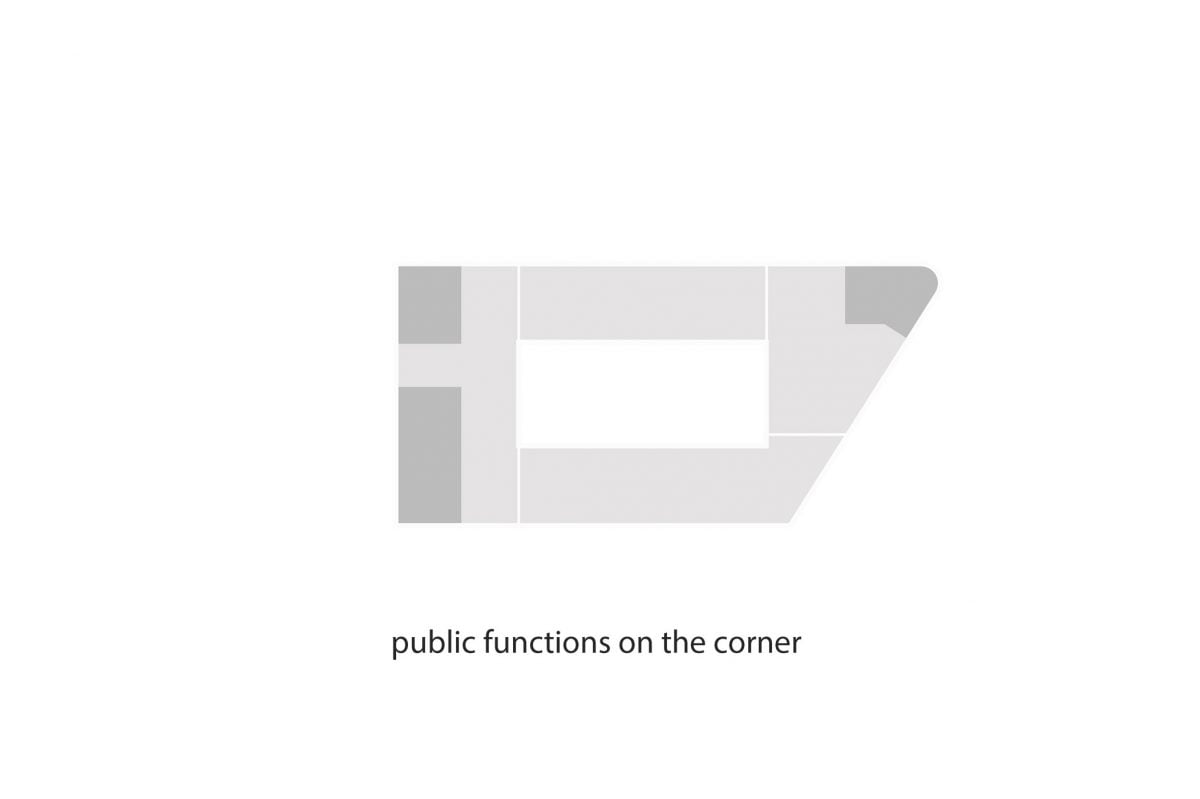
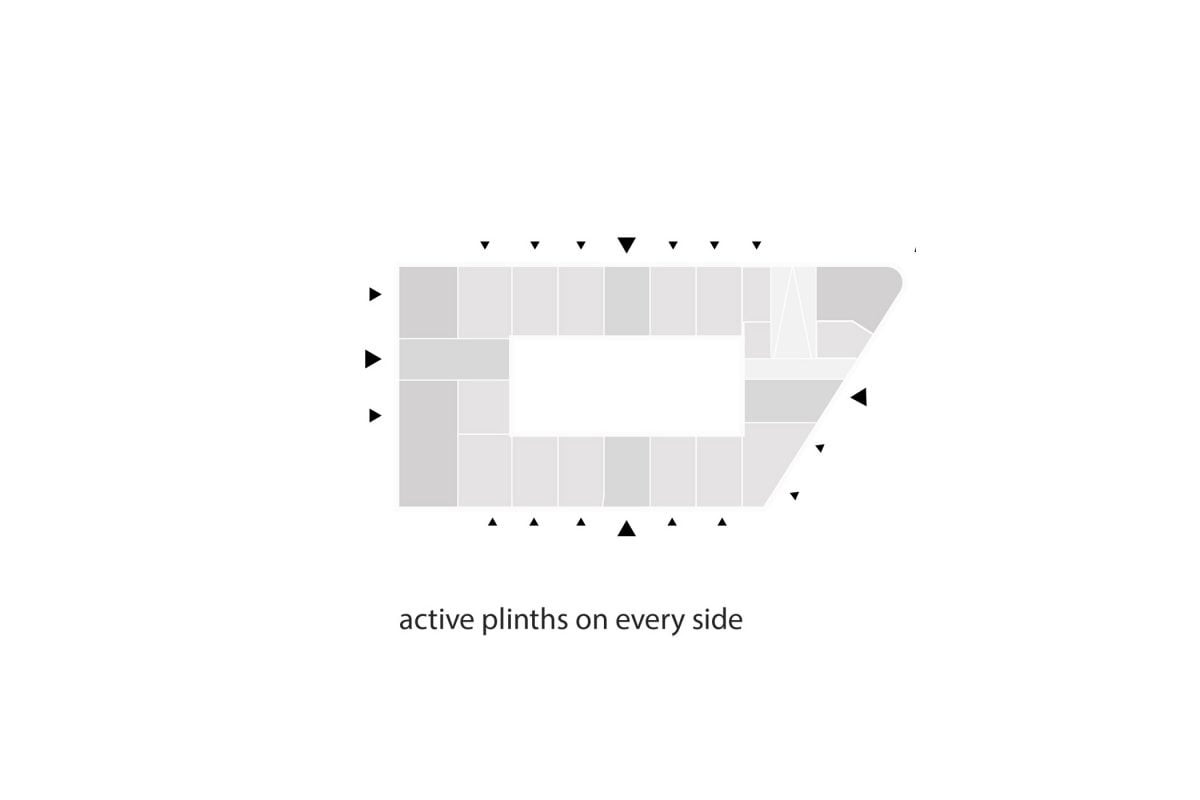
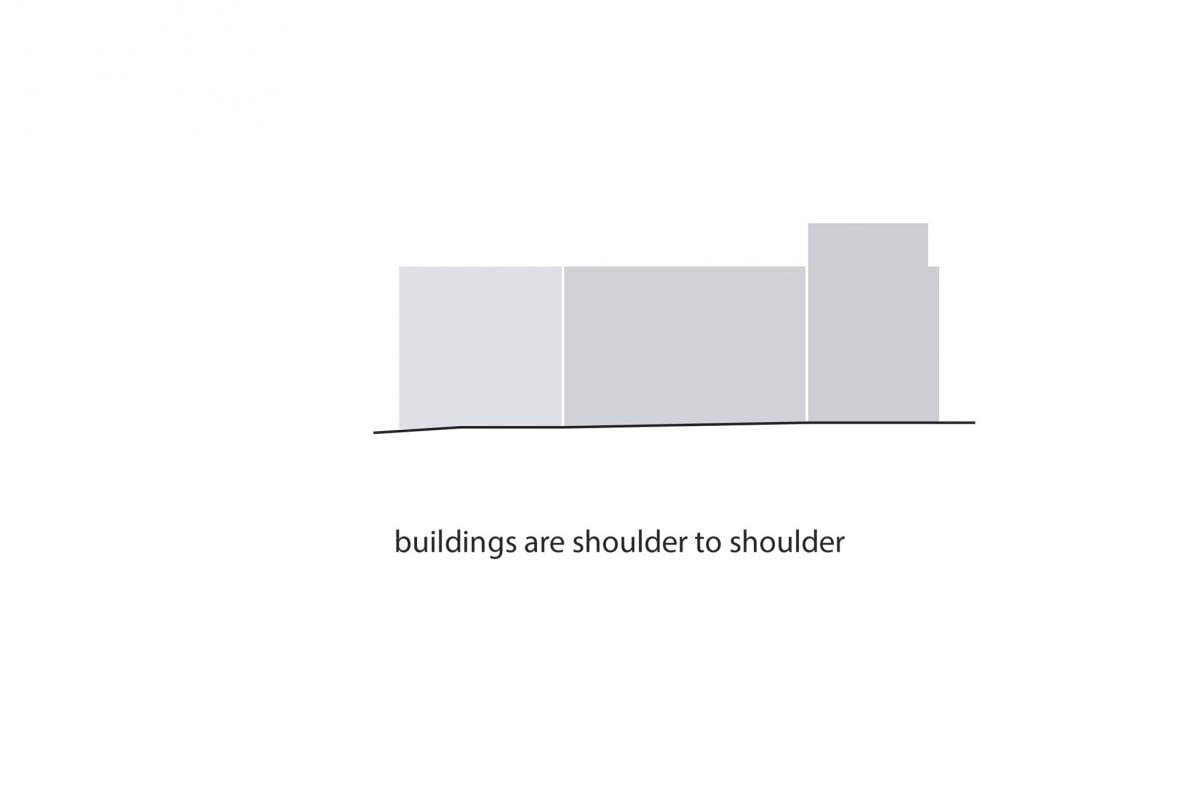
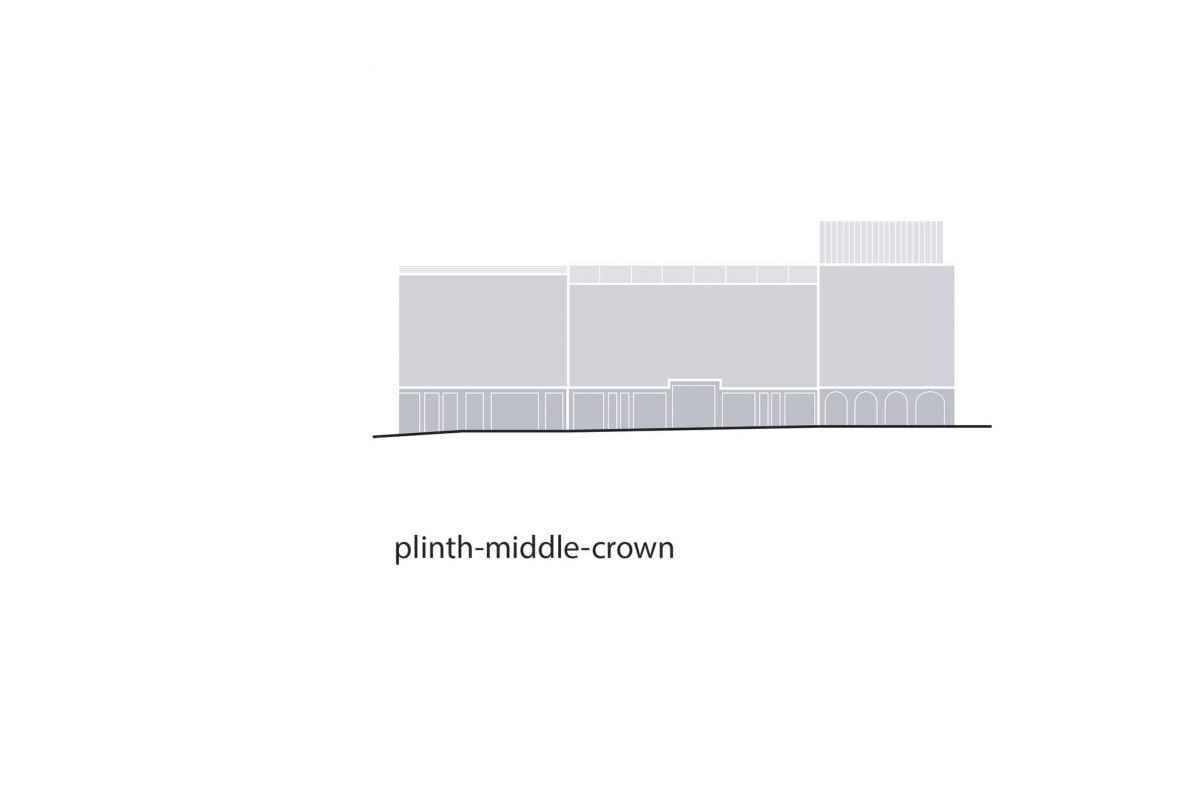
The urban block consists of four buildings, designed by FARO and De Zwarte Hond, creating a varied and dynamic whole. Even within the buildings of the same architect, there is diversity. This results in four unique buildings within the block, each with its own rhythm, plinth appearance, colour palette and plasticity. Along Park Leeuwensteyn there are generous attached balconies, in the narrow streets intimate loggias, and on Berlijnplein a masonry grid façade with terraces behind it. The continuous plinth ensures the cohesion of the block as a whole.
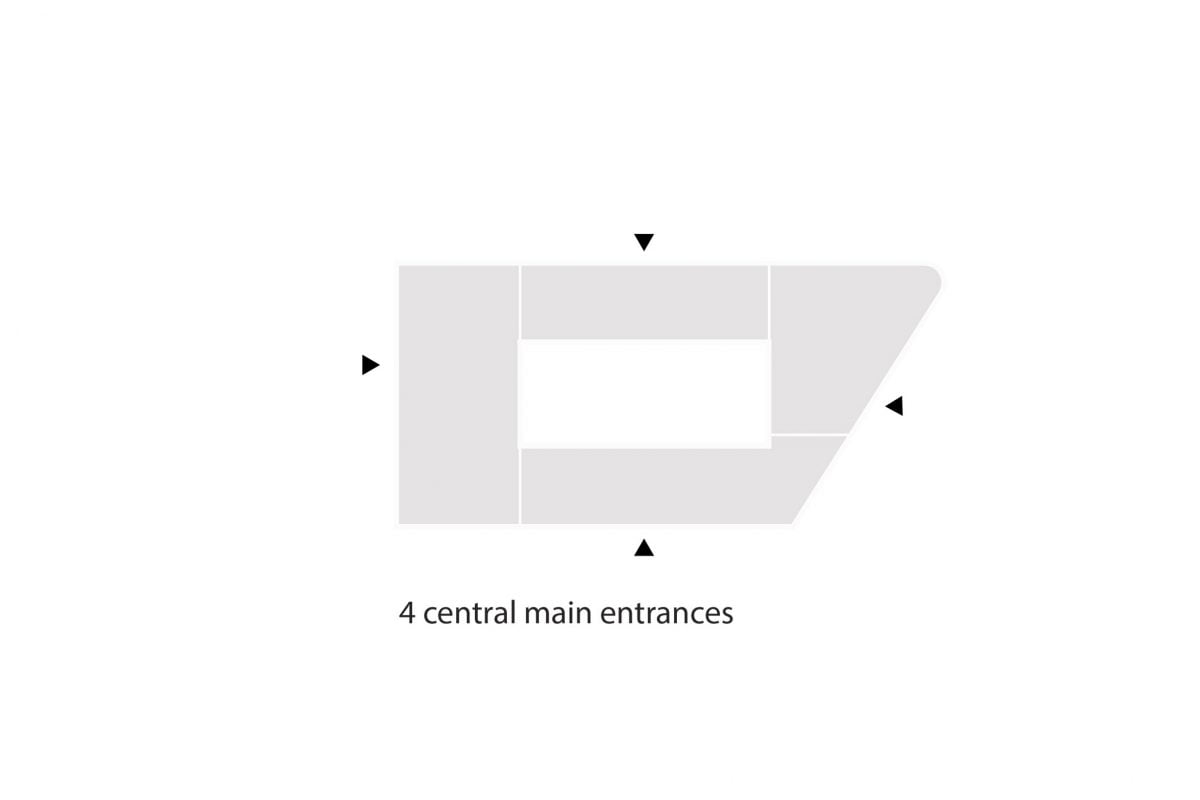
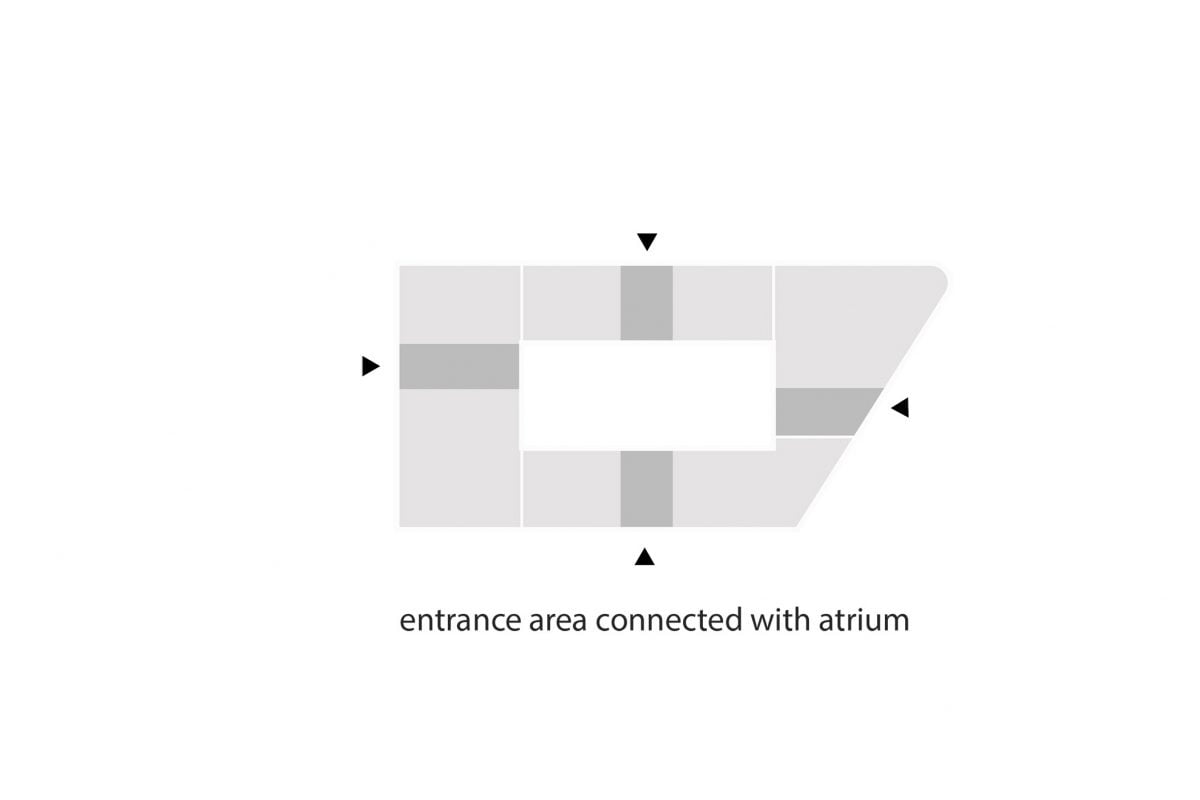


A green atrium as a meeting place
At the centre of the block lies a glass-covered atrium: a vertical indoor garden serving as a collective meeting space. Here is room for shared greenery, an orangery, small vegetable gardens along the balustrades, seating areas and book and games shelves. Familistère, with the atrium as its green beating heart, focuses on bringing residents together, encouraging encounters and forming a close-knit community.
For different users and needs
All homes have a generous outdoor space and plenty of daylight. There is a large variety of typologies for different types of users, such as seniors, singles or young starters. These include ground-floor homes with a private entrance and workspace facing the street, rooftop maisonettes, duplex apartments over two levels and smaller flats.

The building shell will last 200 years, the façades 150 years, the installations 20-50 years and the spatial plan and interior 5-15 years

Climate adaptation, water storage and limiting heat stress

The closed roof reduces thermal losses and adds necessary insulation (winter). The open roof creates an open garden and provides cooling via evapotranspiration (summer)
Future-proof and climate-adaptive
Thanks to a flexible concrete structure, dwelling sizes can be easily adjusted. The structure and the external façades are highly future-proof and last for 300 and 200 years respectively. Circular materials are used in the construction, finishing and interior façades.
The green roof and the atrium are climate-adaptive: they prevent heat stress and flooding and contribute to biodiversity. Stored rainwater is used, among other things, to irrigate the atrium. In addition, the atrium helps reduce energy consumption and increases living comfort in every season.
Green, healthy urbanization

A place of sustainability, health and connection
Familistère is a place where residents can live, work and relax together. By making smart use of every square metre, residential needs are combined and multiple functions are brought together in one place. Collective living in Leidsche Rijn with attention to sustainability, health and connectedness.